Tracing Influences from Tabletop Mechanics on Progression Systems in Digital Collectible Card Titles
Theo Koch · Nov 9, 2026
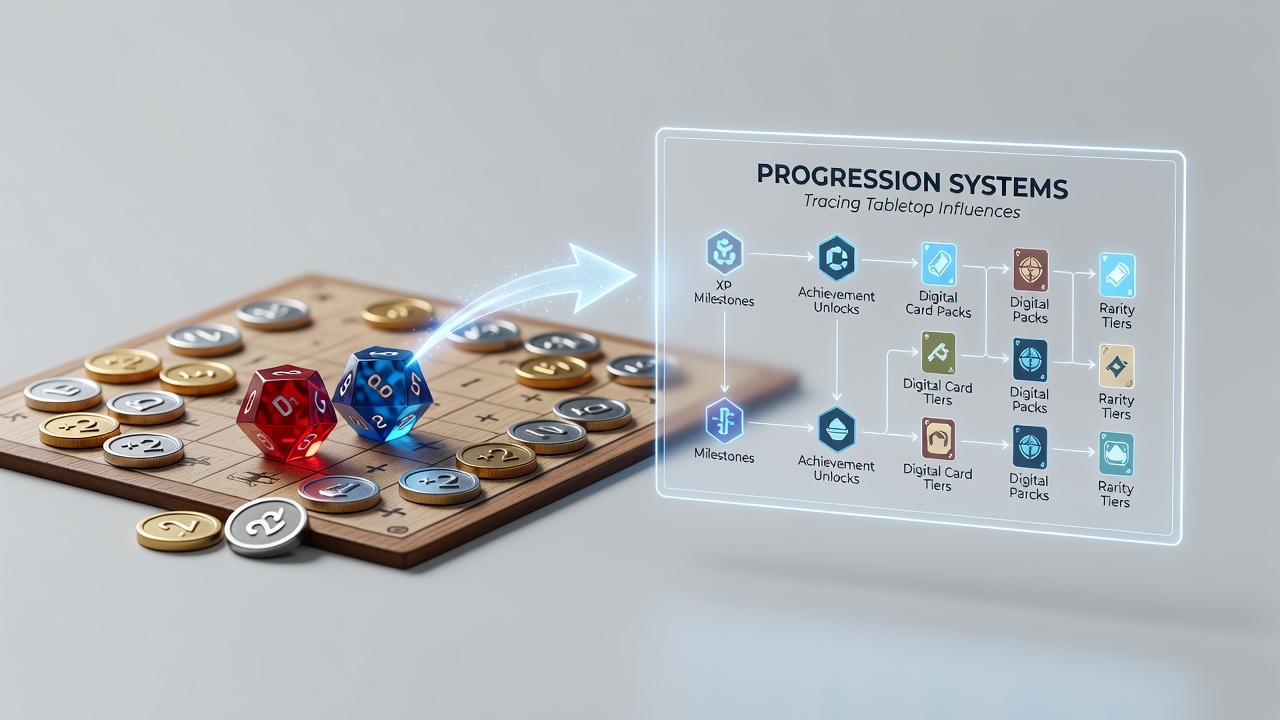
Tracing Influences from Tabletop Mechanics on Progression Systems in Digital Collectible Card Titles
Tabletop collectible card games established core systems for player advancement long before digital platforms emerged, and those foundations continue to shape how digital titles handle collection growth, resource allocation, and long-term engagement. Designers have adapted mechanics such as incremental deck construction, rarity tiers, and experience-based unlocking from physical formats into code that tracks player activity across sessions and devices.
Foundational Elements Carried Forward
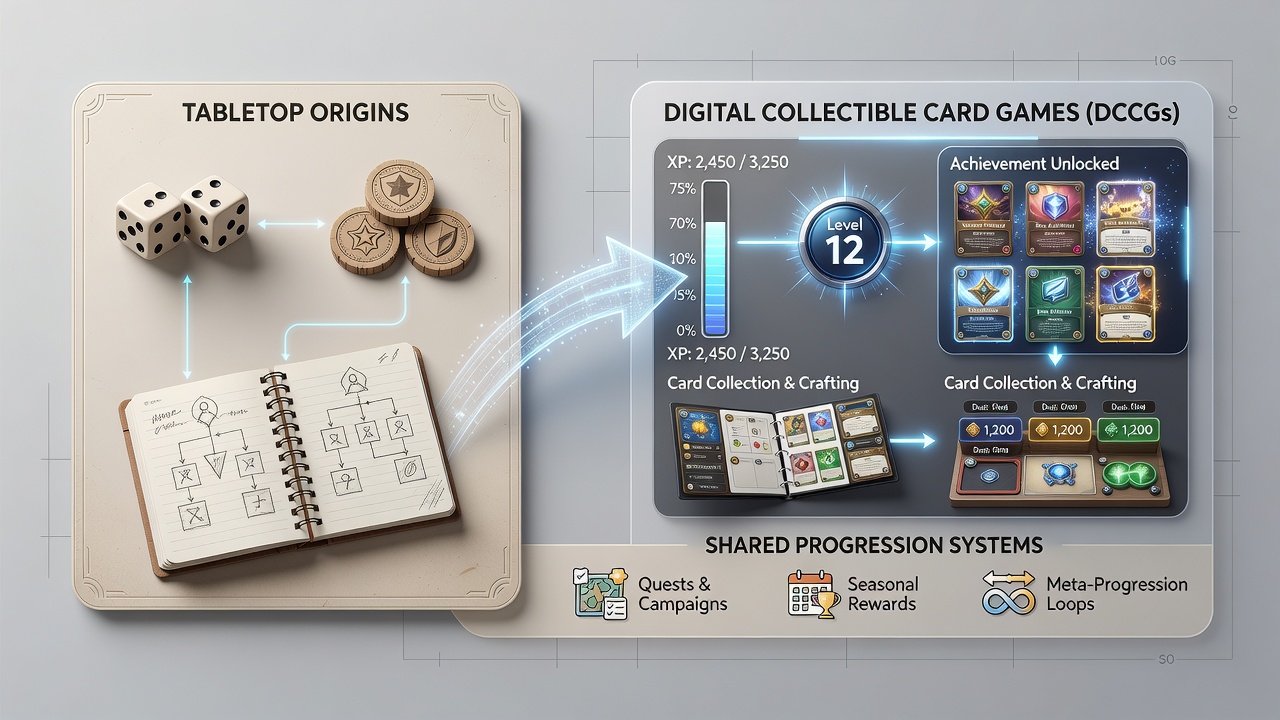
Physical games like Magic: The Gathering introduced deck-building as a gradual process where players acquire cards through purchases, trades, and organized play events, creating a sense of accumulation that rewards consistent participation. Digital counterparts replicate this pattern through pack openings, craft systems, and reward tracks that mirror the physical experience of expanding a collection over months or years. Observers note that many digital progression loops retain the same tension between immediate card acquisition and long-term strategy planning that defined early tabletop sessions.
Resource management follows similar lines. Tabletop mana curves and land counts translate into digital energy systems, mana pools, and turn-based economy tools that guide players toward balanced decks. Data from industry reports shows these borrowed structures help new players transition between formats while preserving depth for veterans who recognize the underlying patterns.
Case Examples Across Platforms
Hearthstone adopted quest lines and class-specific rewards that echo the campaign-style advancement found in certain tabletop expansions, where players complete scenarios to unlock new cards and abilities. Legends of Runeterra incorporated a region-based progression system reminiscent of faction development in older physical games, allowing players to invest in specific archetypes through repeated play. These adaptations maintain the pacing of physical collection while adding automated tracking that reduces manual bookkeeping.
Another layer appears in competitive ladders and seasonal resets. Tournaments in physical games often used ranking systems tied to event attendance and match results, and digital versions extend this model with automated matchmaking and visible rating changes. The structure encourages repeated engagement without requiring physical travel or event coordination.
Technical Implementation and Data Patterns
Backend systems in digital titles log playtime, win rates, and collection completeness in ways that parallel the handwritten records kept by tabletop players at local game stores. According to figures from the Entertainment Software Association, collection-based titles have seen measurable increases in session length when progression systems incorporate visible milestones drawn from physical game design. Developers adjust drop rates and reward frequency based on telemetry that captures the same variables once managed through community spreadsheets and store logs.
November 2026 updates across several major titles introduced refined pity timers and milestone bonuses that further align digital pacing with the event-driven release cycles common in tabletop organized play. These changes reflect ongoing calibration rather than wholesale reinvention, as core loops remain anchored in earlier physical precedents.
Regional and Platform Variations
European titles often emphasize narrative-linked progression that draws from role-playing game supplements, while North American releases tend to highlight competitive ladders and direct card acquisition. A study published through the Entertainment Software Association of Canada examined how these regional preferences influence retention metrics, finding that hybrid systems blending both approaches show stronger long-term player retention across mobile and PC platforms. The patterns suggest that successful digital progression systems selectively amplify tabletop elements rather than replicate them wholesale.
Conclusion
Progression mechanics in digital collectible card titles continue to draw structural cues from tabletop origins even as technology introduces new layers of automation and personalization. Collection growth, resource pacing, and competitive tracking all trace back to physical formats, with digital implementations refining visibility and accessibility without discarding the foundational logic. Industry data and design patterns indicate these influences remain active components in how players experience advancement across current and emerging titles.